


Written for everyday Malaysians — whether you own an EV, are thinking of buying one, or manage a building where one is parked.
Electric cars are here. You see them at IKEA, at the R&R, in your neighbour’s porch. Charging them has become as normal as filling up petrol — except most people have no idea what is actually happening when they plug in, or what can go wrong. The short answer is: EV charging is generally safe. The longer — and more honest — answer is that there are real risks that nobody is talking about, especially in Malaysia.
First, how does EV charging actually work?
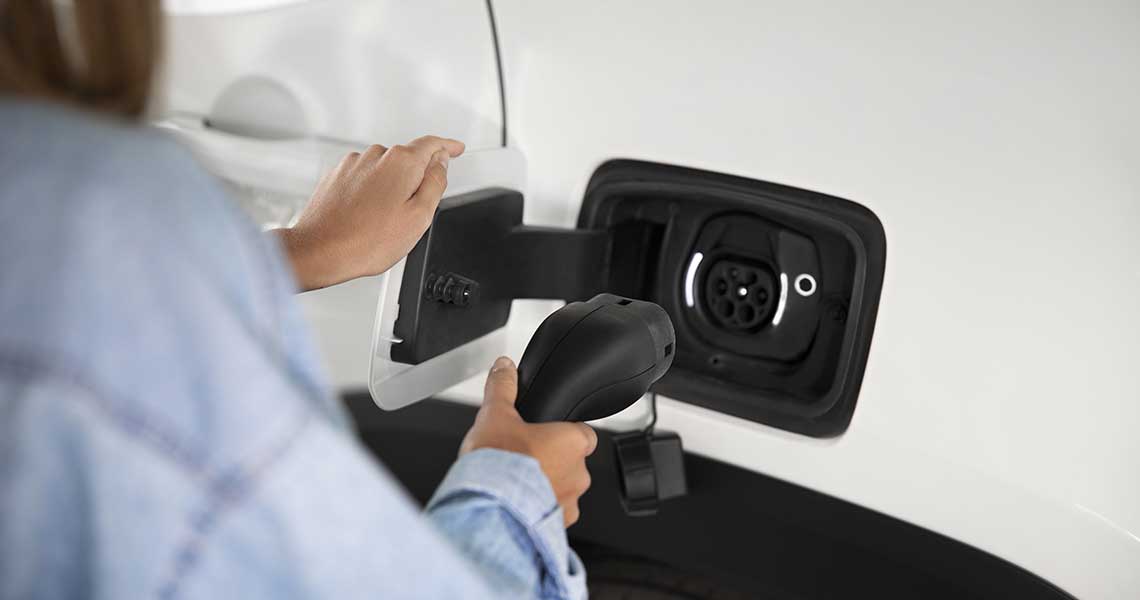
When you plug your EV into a charger, electricity flows from the power grid, through the charging cable, and into your car’s battery. Before any power flows, the car and the charger do a quick automatic check to confirm everything is properly connected. Think of it like a handshake — the charger asks “ready?”, the car says “yes, send power”, and only then does electricity start moving. This safety check happens every single time, in less than a second, without you doing anything.
There are three common ways to charge: a normal 3-pin wall socket at home (the slowest — like dripping water into a bottle), a dedicated wall-mounted home charger (faster — like filling a bottle from a tap), and a high-speed public charger at shopping malls or highway rest stops (very fast — like a fire hose). Speed and convenience go up with each level, but so does the importance of proper safety.
🔌 Normal wall socket Slowest, but fine for overnight top-ups if your home wiring is in good condition. Use only certified cables. | ⚡ Home wall charger Faster and safer than a normal socket. Must be installed by a registered electrician — not a general handyman. | ซ; Public fast charger Very fast. Generally safe — but inspect the cable before using. If it looks damaged or neglected, skip it and report it. |
|---|
“EV charging is generally safe — but only when the equipment is good quality, installed properly, and looked after. In Malaysia, not all three are guaranteed.”
The problem with Malaysia’s climate
Here is something most brochures will not tell you. The safety rules for EV chargers were largely written by engineers in Europe and North America — countries with mild, dry weather. Malaysia is hot, humid, and gets torrential rain for months at a time. This matters because moisture slowly eats away at the protective covering inside cables and connectors. Heat causes materials to expand and contract repeatedly, loosening connections over time. A charger that works perfectly on day one can become a hazard after a year of Malaysian weather — especially if it is installed outdoors without proper weatherproofing.
A loose or corroded connection inside a high-speed public charger does not just cause the charger to stop working. At the power levels involved — imagine 350 electric kettles running through a single cable simultaneously — a poor connection generates intense heat that can start a fire before any safety switch has time to react.
Watch out: cheap charging cables sold online
Many Malaysians buy portable charging cables from Shopee or Lazada to plug into a normal wall socket. A lot of these are uncertified — meaning they have never been properly safety-tested. Using one is like wiring a plug yourself without knowing how. It may work for months, then cause an electrical fire. Only buy cables that carry a SIRIM mark (Malaysia’s official safety stamp) or are supplied by your car manufacturer.
The hidden risk in your home wiring
Many Malaysians plan to charge their EV at home overnight — which is perfectly safe in principle. The problem is that many older Malaysian homes, particularly terrace houses and condominiums built before 2000, were never designed to handle the continuous power draw of an EV charger running for eight hours straight. The house wiring may be too old, too thin, or the safety switches in the fuse box may be outdated or faulty.
The most important safety device protecting you from electrocution in your home is the trip switch in your fuse box — the one that cuts power instantly if it detects electricity going somewhere it should not, like through a person. For this switch to work correctly, your home needs a proper connection to the ground — literally a wire that runs into the earth and gives dangerous electricity a safe escape route. Many older Malaysian homes have this connection in poor condition. If it fails, the trip switch cannot protect you.
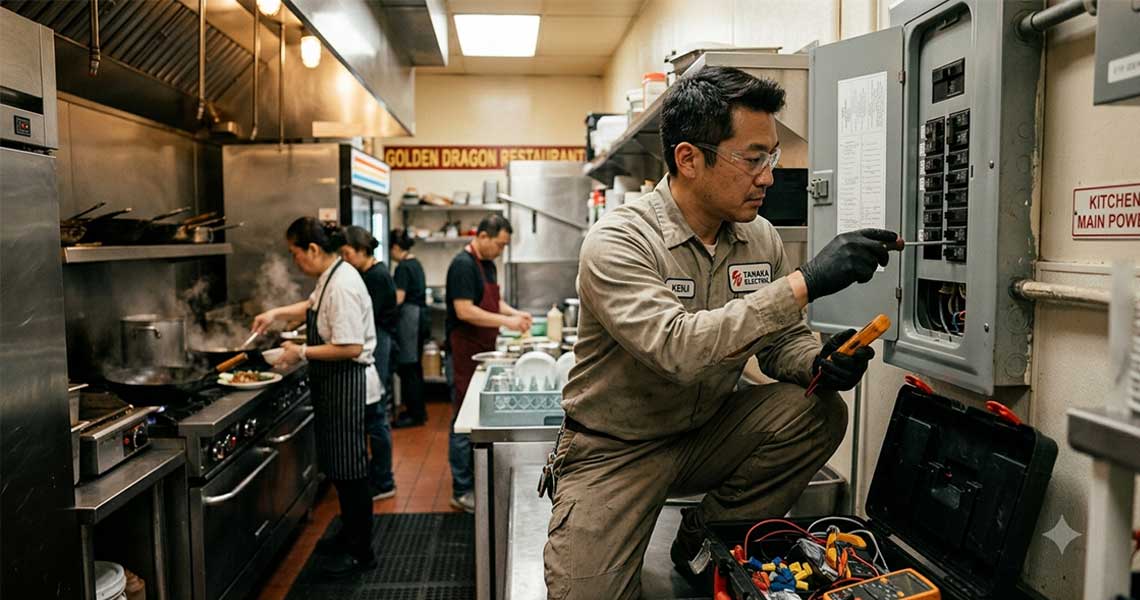
Before installing any home charger, get a licensed electrician — someone registered with Malaysia’s Energy Commission (Suruhanjaya Tenaga) — to check your home wiring first. This is not optional; it is the difference between a safe setup and a dangerous one.
What about getting electrocuted or a fire starting?
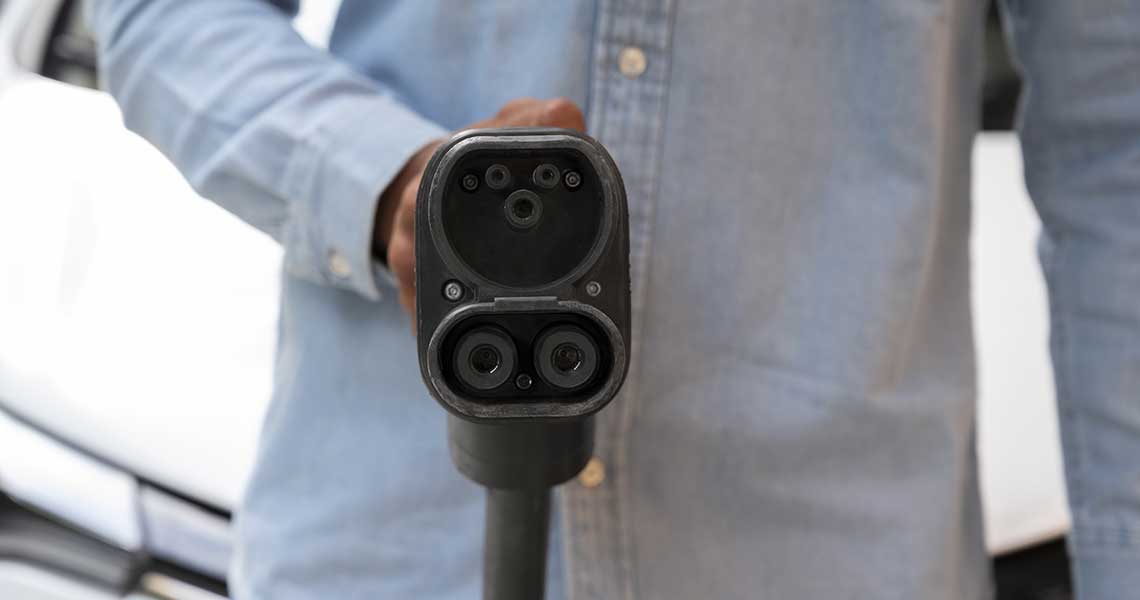
Let’s address the fears directly. Touching the plug of an EV charger will not electrocute you — no electricity flows through the outside of the connector. The car and charger only send power through internal contacts after confirming a secure connection. You would have to work quite hard to get a shock from a properly functioning charger.
Fire from a well-made, properly installed home charger is very unlikely. The real fire risks are: a cheap uncertified cable from an online shop, old house wiring that overheats under prolonged use, a damaged public charger that has not been maintained, or charging in a flooded or waterlogged area. None of these are problems with EV charging in itself — they are problems with poor equipment or poor installation.
Do not charge in or near floodwater
During banjir season, never charge your EV if the charging point, cable, or surrounding area is submerged or wet. Electricity and standing water together are extremely dangerous. Wait until everything is dry and have the charger inspected before using it again.
What building managers and developers need to know
If you manage a condominium, office building, or shopping complex in Malaysia, you now have residents and visitors asking about EV charging. Malaysia already has official rules — called MS 2686 — that set out exactly how EV chargers must be installed in buildings safely. These cover how many chargers you can have, what type of wiring is needed, and what safety devices must be fitted. Following these rules is not optional goodwill. It is a legal standard of care. Ignoring it and having an incident will create serious liability for building management.
Safe habits for EV owners
Use only certified charging cables with a SIRIM mark. Get your home wiring checked before installing a charger. Inspect public chargers visually before use — if the cable looks cracked or the unit looks neglected, walk away and report it. Never charge in or near water.
Safe habits for building managers
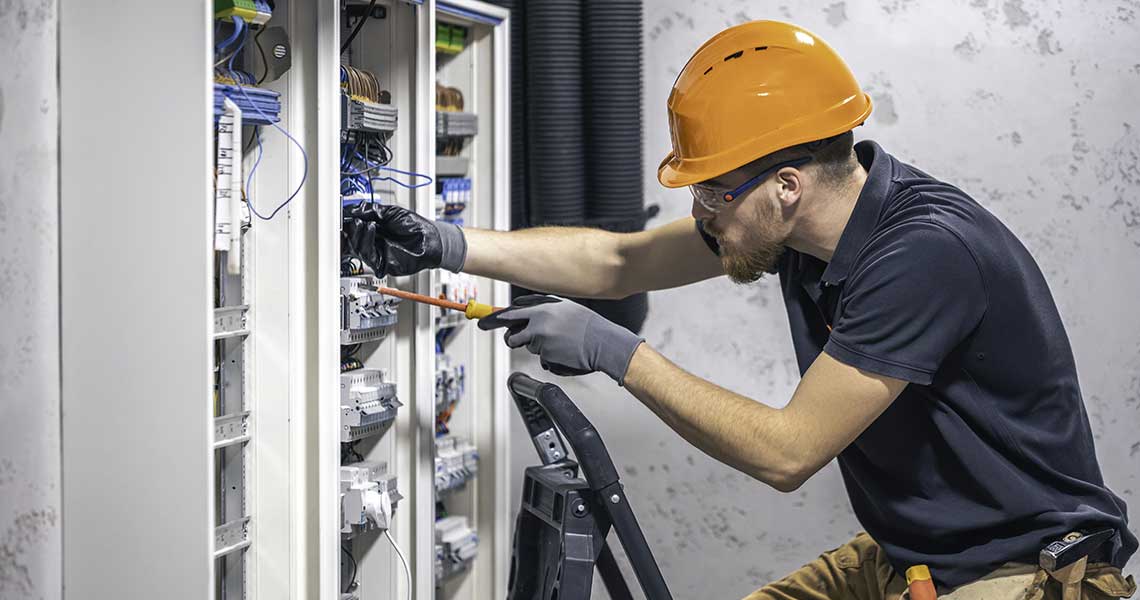
Follow MS 2686 for any EV charging installation. Use only contractors registered with Suruhanjaya Tenaga. Schedule regular maintenance of chargers and keep records of it. Post clear instructions near charging bays.
The bottom line: EV charging is safe when the equipment is quality-made, installed by a proper professional, and kept in good condition. In Malaysia, where the climate is tough on equipment and older homes were never designed for this, those three things cannot be taken for granted. A few straightforward steps — buy certified equipment, get a professional installation, and do a quick visual check at public chargers — are all it takes for the vast majority of Malaysians to charge safely.
Regulated by Suruhanjaya Tenaga (Malaysia’s Energy Commission). Relevant Malaysian standards: MS 2686 (EV charging in buildings), MS IEC 61851 (EV charging systems). Always use contractors registered with Suruhanjaya Tenaga for home installations. Verify a contractor’s registration at the Suruhanjaya Tenaga website.